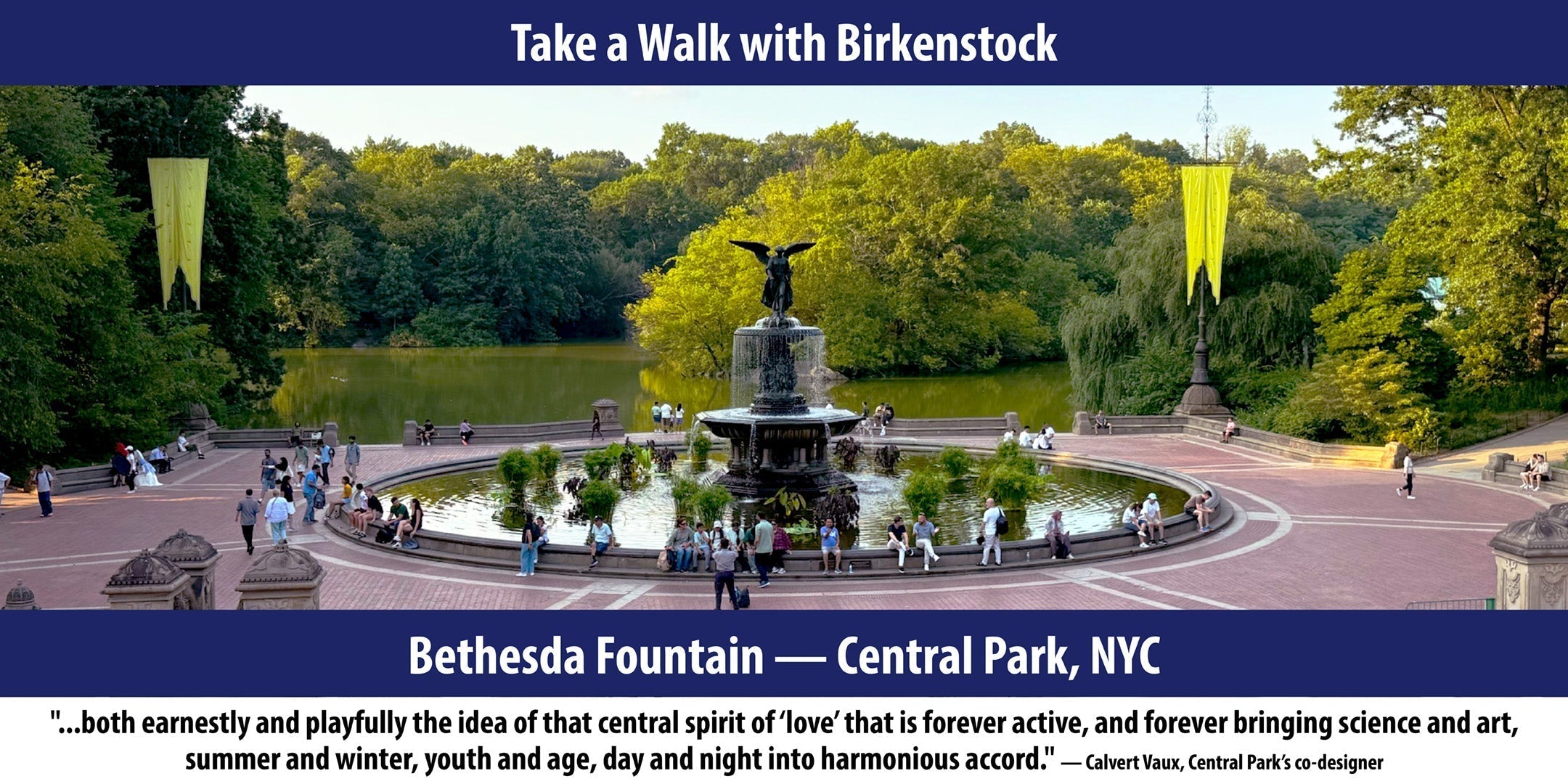









A little more than 30 miles to the east of Emma Stebbins' Bethesda Fountain in NYC's Central Park, is the village of Huntington on Long Island. Huntington has long been the playground for people who have made their fortunes in the city but wanted to escape its hustle and bustle. August Heckscher was such a person. He immigrated from Germany in 1867 at age 19, made his first fortune in Pennsylvania mining and a second fortune in New York City real estate. It helped that his uncle owned the mining company that he later partnered with. His uncle was wealthy and developed an appreciation of art. In all likelihood, August's uncle met sculptor Emma Stebbins in Rome where he commissioned her to create two marble statues titled "Commerce" and "Industry" representing his work in Pennsylvania. Emma Stebbins gained many commissions by meeting rich Americans who were taking their "grand tour" of Europe. One tour stop would be a well-known American expatriate and prominent women's artist colony in Rome. Stebbins was a colony member in the mid-19th century. The colony included highly accomplished women sculptors who socialized together, worked together, and supported each other. Henry James disparagingly referred to the group as "a strange sisterhood of American 'lady sculptors' who at one time settled upon the seven hills in a white, marmorean flock." Marmorean is our word of the day; an adjective meaning marble-like, another way of saying smooth, cold, white, and elegant. All of this relates to Huntington, because later in life, as August Heckscher reflected upon his multi-million-dollar fortune, he realized "I feel I have neither earned nor deserved" the fortune. He became a philanthropist. His causes were many, but there is a standout... he donated 17 acres to Huntington for their Central Park, along with the money and direction to landscape it, and to build a major art museum within the park. In anticipation of the museum's opening, he amassed a collection of substantial European and American artwork, now including the largest collection of Emma Stebbins' work.


Heckscher Park

The Heckscher Art Museum
The contributions of women artists have long been overlooked by art historians. The story of Emma Stebbins and the "jolly bachelors" art colony is fascinating. Despite Henry James' reference to the sisterhood being white, the group included Edmonia Lewis, the first African American and Native American sculptor to achieve national and international fame. The Heckscher Art Museum is now telling their story. Included within the current Emma Stebbins: Carving out History exhibition are the two sculptures of "Commerce" and "Industry" commissioned by Heckscher's uncle. You can also see a marble bust of Charlotte Cushman. Charlotte was a globe-trotting actress, highly acclaimed on both sides of the Atlantic. In an era where actors might play a different gender, she was considered one of the best to play Romeo. Among the many places she lived, was the "jolly bachelors" colony in Italy. There she met Emma Stebbins. Their relationship grew into what was known at the time as a "Boston marriage." They had a long life together promoting each others' art. Stebbins' most famous work is the Bethesda Fountain's "Angel of the Waters" statue, which included the facial likeness of her lover. Stebbins defied convention by creating a female angel rather than male. An outdoor virtual version of the Bethesda Fountain is now "on display" in front of the Heckscher Museum of Art. Emma Stebbins: Carving out History exhibition will run until March 15, 2026.

Marble bust of Charlotte Cushman, sculpted by Emma Stebbins

Bethesda Fountain's "Angel of the Waters" in NYC's Central Park, by Emma Stebbins
Take a walk with Birkenstock.