














Completed in 1825, the Erie Canal was a spectacular civil engineering achievement. Shipping costs for raw materials and manufactured goods plummeted. Due to its location, New York City was transformed into our most important city and financial center. Explosive growth caused the city's infrastructure to fall behind its needs. Safe drinking water was hard to find. New Yorkers were literally dying by the thousands from cholera and yellow fever. Another dramatic civil engineering achievement was required. The Croton Aqueduct arrived in 1842. It moved fresh water by gravity from Croton Lake, 40 miles to the north of NYC, to reservoirs within the city. Residents of the city could now lead healthier lives. As health concerns were front and center, the idea of Central Park began to take shape. City leaders understood crowded city dwellers needed easy access to nature in the form of a grand park to lead healthy lives. A fountain located in the heart of the park was planned to commemorate the Croton Aqueduct's completion. The bronze statue for the Bethesda Fountain, referred to as the "Angel of the Waters," was designed by a woman sculptor named Emma Stebbins. The design was her prerogative, as long as it expressed, "both earnestly and playfully," the spirit of love harmonizing competing forces per the quote from Calvert Vaux, the co-designer of Central Park.


The Bethesda Fountain is one of the city's many recognizable landmarks. It has been the backdrop of countless movies. If you haven't been to it, you have probably seen it. As familiar as it is, few people know its backstory. Henry George Stebbins was from a wealthy influential New York City family. He was one of nine children. He was a major player in the New York Stock Exchange and the civic life of the city. His philanthropic activities helped establish many of the institutions, which we continue to enjoy to this day. During the Civil War he served in Congress. He also served as the Commissioner of the Department of Public Parks. As such he had the responsibility of selecting the best sculptor to carry out Calvert Vaux's idea. After an extensive search for qualified candidates, he chose his sister in 1863. Nepotism perhaps?


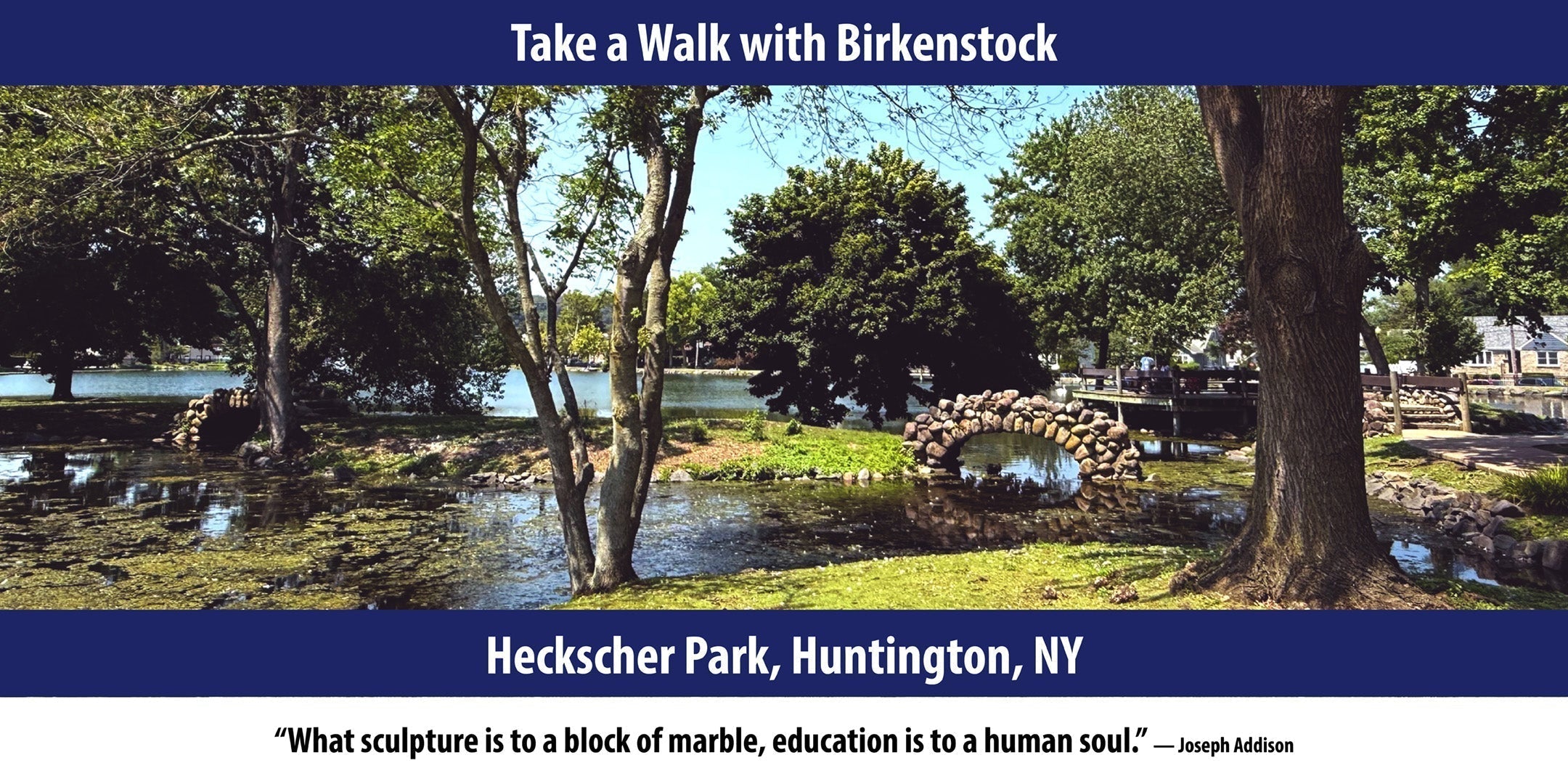
Emma Stebbins was indeed an accomplished sculptress who trained in Italy amongst some of the best sculptors of her era. Her design for the fountain statuary was executed in Italy, then the models were sent to Germany where the Royal Foundry of Munich cast them into bronze. The Franco Prussian War delayed the completion of the casting, but the fountain was finally installed in 1873, ten years following the commission. The sculptor, Emma Stebbins, is fascinating in her own right. It is believed that the face of the female "Angel of the Waters" is modeled after her longtime lover, Charlotte Cushman. The putti, the fat little cherubs at the base of the fountain, are based on the likeness of her nephew. Each putti represents a benefit of clean water: purity, health, and temperance. The fourth putti represents peace, celebrating the end of the Civil War. The fountain became intertwined with Emma Stebbins' life and the life of New Yorkers. Art historians have long ignored her contribution. That is changing with a new exhibit at the Heckscher Museum of Art in Huntington, NY. Next week we will take a walk to the museum to see Emma Stebbins: Carving Out History.


Take a walk with Birkenstock.